The pearl of Africa hosts several national parks which offer abundant wildlife viewing for Uganda safari holiday makers. Among the five best national parks for wildlife viewing in Uganda include the following; Murchison Falls national park, Queen Elizabeth National Park, Kidepo Valley National Park, Lake Mburo National Park and Semliki National Park.
- Murchison Falls National Park.
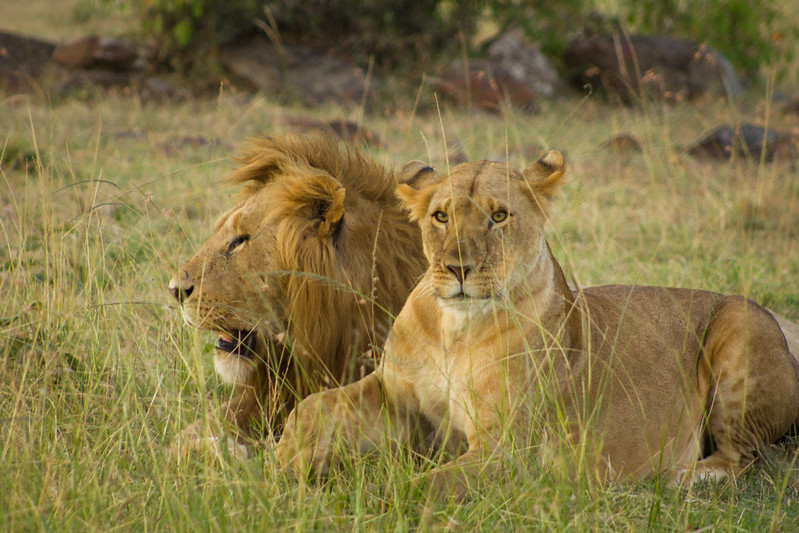
Murchison Falls National Park is primarily located in north- western region of Uganda in Nwoya district. However, the boarder of Murchison Falls National Park stretches across four different districts: Nwoya, Buliisa, Kiryandongo, and Masindi. Murchison Falls National Park is known as the largest and oldest national park in all Uganda’s national parks making it able to host Uganda’s top wild animals. The park is home to over 76 mammal species and over 450 bird species. Uganda’s top wild animals found in Murchison Falls National Park include; Lions, Leopards, Buffaloes, Elephants, Giraffes, Zebras, Antelopes among others which support wildlife viewing to tourists.
Getting there.
Murchison Falls National Park can be accessed by two different means of transport that is to say by road and by air transport.
By road to the park, it is 4-6 hours’ drive from Kampala- Luwero- Masindi up to the southern gate of Kichumbanyobo which is the easier and direct route from Kampala. A 4×4 wheel drive car is recommended while accessing the park.
By air to the park, it is a one-hour drive from Kampala (Kajjansi airfield) to Pakuba, Chobe and Bugungu air strips.
What to see in Murchison Falls National Park?
Being the largest conservation area in Uganda, Murchison Falls National Park has a variety of tourism attractions for tourists. The major tourism attractions to see in the park include the following; The Roaring Murchison Falls; you can witness the roaring Victoria Nile waterfalls where the Nile River squeezes through a 7-meter gap and the thundering top of the falls.
Abundant wildlife; the park is gazzeted with large woodland and savannah grasslands which contains large herds of Buffaloes, Elephants, Zebras, Giraffes, lions, antelopes and so many others. Conservation areas like Pakuba and Chobe enable game drives in the park.
The park has other tourism attractions and these include; birds with over 450 species in swampy areas, forest trails and along the shores of water banks, aquatic animals like (the Nile crocodiles, hippopotamuses) along river Nile, Chimpanzees in Budongo forest (Kaniyo Pabidi) with an approximate population of 600 to 800 individuals.
What to do in Murchison Falls National Park?
The most popular activities in the park include; Game drives; Murchison Falls Game drive is one of the best ways to see and appreciate the rich diversity of Wildlife in the Park. This park is home to different wildlife species and over 76 types of mammals including the Buffaloes, Jackson hartebeests, Antelopes, Lions, Kobs, Giraffes, Hyenas, Bushbucks, and Warthogs among others.
Another must do activity in the park is boat cruise along river Nile. From your starting point at the base of the falls, you will witness the power of Murchison as water squeezes through a narrow 7-metre gorge. You will be able to view the Nile crocodiles, hippopotamuses and other wildlife during the dry seasons in which animals are attracted to the water, so you may see elephants, buffaloes, waterbucks, and giraffes taking a drink.
Other activities in the park include; Birding, Murchison Falls National Park is a premier birding destination with over 450 species. Hot spots for birding include the lake Albert Delta and the surrounding Budongo forest. Birds like the Shoebill and Abyssinian Ground Hornbill are found in the above areas.
Chimpanzee tracking in Murchison Falls National Park takes place in the green, mahogany-dominated Budongo Forest Reserve (Kaniyo Pabidi), located in the southern sector of the park. Led by expert guides, these unforgettable excursions allow you to spend a full hour observing habituated chimpanzee communities.
Best times to visit Murchison Falls National Park.
The absolute best times to visit Murchison Falls National Park is during the dry seasons from December to February and June to September. During these months, you’ll experience clear skies, easy game drives, and excellent wildlife viewing as animals are attracted by the Nile River to drink.
Where to stay in Murchison Falls National Park?
Murchison Falls National Park is decorated with many various accommodations that is to say hotels and safari lodges. These are categorized in three different categories and these include; luxury, mid-range and budget.
Luxury safari lodges in Murchison Falls National Park include; Nile safari lodge, Paraa safari lodge, Anyadwe house among others.
Mid-range safari lodges include; Red Chilli Rest camp, Murchison River lodge, Sambiya River lodge and so many others.
Budget safari lodges include the following; Budongo Eco lodge, Boomu Women’s group Bandas, Bwana Tembo safari camp among others.
Fees and Bookings.
Entry to Murchison Falls National Park costs $45 for foreign non-residents, $35 for foreign residents and 25,000 UGX for East African citizens per 24-hour period. Bookings for park entry and activities can be handled directly at the gates or through the Uganda Wildlife Authority (UWA). It is highly recommended to check the Uganda Wildlife Authority tariff for activity and community excursion fees.
- Kidepo Valley National Park.
Kidepo Valley National Park lies in the north-eastern end of Uganda hugging South Sudanese border in Kaabong district. It is the third largest national Park in Uganda after Murchison Falls and Queen Elizabeth National Parks. It is one of the best for wildlife viewing due to large herds of wild animals found in the park. Over 77 mammal species including lions, elephants, cheetahs, zebras among others and nearly 500 bird species are hosted by the park.
Getting there.
There are two best and easiest alternatives to access the park that is to say by road and air transport.
By road from Kampala, it is a 9-10 hours’ drive; Kampala- Mbale- Moroto which is the eastern route. Another route is from Kampala- Gulu- Kitgum which is the northern route. A 4×4 wheel drive car is highly encouraged while accessing the park.
By air to the park, it is 1.5- 2 hours’ drive from Kampala (Entebbe and Kajjansi air fields) to Apoka, Lomej and Kidepo air strips.
What to see in Kidepo Valley National Park.
Kidepo Valley National Park is famous for its breathtaking golden savannahs, massive Cape buffalo herds, free-roaming ostriches, and authentic cultural encounters with the indigenous Karamojong. This marks that wild animals are the top tourism attractions in the park. The park has the Narus Valley which is the heartbeat for game viewing. Because it has a permanent water source, it attracts large herds of buffalo, elephants, Rothschild’s giraffes, and Jackson’s hartebeests. It is also the best area to spot lions, leopards, and cheetahs.
Other tourism attractions include birds with over 500 species like (Shoe billed stock, African jacana), Cultural encounters by the Karamojong’s with their traditional performances, craft making, cattle keeping, music dance and drama.
What to do in Kidepo Valley National Park.
Kidepo Valley National Park is mainly known for the interesting game drives in the Narus valley in south with permanent water sources, which attracts large herds of elephants, buffaloes, giraffes, lions, leopards, and cheetahs.
There is also the Kidepo Valley found in the north near the South Sudanese border, this region is famous for the expansive Kanangorok Hot Springs, stunning mountain backdrops, and being one of the few places to spot Ostriches.
Other activities inside the park include; Bird watching with over500 species, Kidepo is a premier birding destination. Look out for the park’s unique birds such as the Egyptian Vulture and Pygmy Falcon, as well as the magnificent Common Ostrich. Cultural & Community Tours are also common in the park. Visit the Karamojong’s traditional homesteads and experience their unique lifestyle, traditional dances and customs.
Best time to visit Kidepo Valley National Park.
The best time to visit Kidepo Valley National Park is during the dry season, specifically from September to March. During these months, water becomes scarce, forcing large herds of wildlife to congregate around the permanent water sources in the Narus Valley, making them much easier to spot.
Where to stay in Kidepo Valley National Park.
Kidepo National Park offers guests a wide range of accommodation options ranging from High-end, luxury, mid-range and low budget.
Luxurious lodges in the park include; Apoka safari lodge, Adere safari lodge among others.
Mid-range lodges include; Kidepo Savannah lodge, Nga Moru Wilderness Camp and so many others.
Low budget lodges include; Apoka rest camp, Kakine & Nagusokopire campsites among others.
Fees and Bookings.
Visiting Kidepo Valley National Park requires permits and vehicle clearances from the Uganda Wildlife Authority (UWA). Standard 24-hour park entry is $40 for foreign non-residents, $30 for foreign residents, and UGX 20,000 for East African citizens. Advance bookings for park entrance and activities are handled directly by the UWA or via registered local tour operators. It is highly advised to check the Uganda Wildlife Authority tariff for activity and community excursion fees.
- Queen Elizabeth National Park.
Queen Elizabeth National Park is located in the western region of Uganda in Kasese district. It is the second largest conservation area in Ugandan National Parks. It is also known as the most popular and famous tourism destination in Uganda. It is famous for the Kazinga Channel’s massive hippo populations, tree-climbing lions in the Ishasha sector, and over 600 bird species against the backdrop of the Rwenzori.
The park is a home to 95 mammal species, including elephants, buffaloes, leopards, chimpanzees, and the legendary tree-climbing lions in the remote Ishasha sector.
Getting there.
There are two different means of transport to access the park that is to say by road and by air transport. Southern Route (Kampala- Mbarara- Bushenyi): This route is about 420 km and passes through Mbarara which takes 6 to 7 hours and involves crossing the Equator. Northern Route (Kampa- Fort Portal- Kasese): This route is about 410 km which also takes roughly 6 to 7 hours. A 4×4 wheel drive car is highly recommended while accessing the park.
By air to the park, it is a one-hour drive from Kampala (Entebbe and Kajjansi air fields) to Kasese, Mweya air strips. Charter flights are operated by Aero link Uganda and Eagle Air departing from Entebbe International Airport or Kajjansi Airfield.
What to see in Queen Elizabeth National Park?
Queen Elizabeth National Park hosts many tourism attractions seen by tourists. The top attractions in the park include the following; The big four wild animals (Elephants, Buffaloes, Leopards and the tree-climbing lions in the Ishasha plains.) The Kazinga Channel which connects Lake George and lake Edward with its large populations of aquatic animals like Hippopotamuses, crocodiles among others.
Other tourism attractions in the park include; birds with over 600 bird species against the backdrop of the Rwenzori, Chimpanzees in Kyambura Gorge inside Maramagambo forest which involves hiking down a steep 100-meter escarpment into an underground tropical forest. Cultural encounters in the park with the local community members of Banyaraguru enjoying their traditional lifestyle, cultural performances, music dance and drama.
Things to do in Queen Elizabeth National Park?
Queen Elizabeth National Park is famous and popular for its top tourism activities done inside. One of them is the interesting Game drives most commonly in the southern Ishasha sector with its tree-climbing lions, large herds of Buffaloes, Elephants, leopards, Giraffes among others.
Another activity is the Boat cruises along the Kazinga channel which connects Lake Goerge and lake Edward where visitors get a chance to view large populations of hippopotamuses, crocodiles among others. During the dry seasons, animals are attracted to the water, so you may see elephants, buffaloes, waterbucks and giraffes taking a drink while on the boat cruise.
Other activities in the park include; birding with over 600 bird species. Birding in Queen Elizabeth National Park is world-class. Home to over 600 bird species, the highest count of any protected area in East Africa. The park’s diverse habitats range from open savannah and wetlands to dense forests.
Chimpanzee tracking in the Kyambura Gorge inside the Maramagambo forest which involves hiking down a steep 100-meter escarpment into an underground tropical forest. Treks take 2 to 3 hours, offering a 1-hour viewing and observing of chimpanzees.
Cultural and community tours in the park with the local community members of Banyaraguru enjoying their traditional lifestyle, cultural performances, music dance and drama.
When to visit Queen Elizabeth National Park.
The best time to visit Queen Elizabeth National Park is during the dry seasons from January to February and June to September. These months offer the best weather for game viewing and chimpanzee trekking, as vegetation is thinner and animals congregate around water sources.
Where to stay Queen Elizabeth National Park.
Queen Elizabeth National Park is decorated with many various accommodations that is to say hotels and safari lodges. These are categorized in three different categories and these include; luxury, mid-range and budget.
Luxury lodges in the park include; Elephant plains lodge, Ishasha wilderness camp, Kyambura Gorge lodge and so many others.
Mid-range accommodations include; Engagi game lodge, Ishasha jungle lodge, Queen Elizabeth Bush lodge, Kingfisher lodge among others.
Budget accommodations include; Tembo safari lodge, Simba safari camp, Engiri game lodge and campsite, Kazinga channel view resort among others.
Fees and Bookings.
Visiting Queen Elizabeth National Park requires park entry fees of $40 per day for foreign non-residents ($20 for children), $30 for foreign residents, and UGX 20,000 for East African citizens. Permits for specific activities (like the Kazinga boat cruise or chimpanzee trekking) and vehicle entry fees are charged separately. Bookings are handled via the Uganda Wildlife Authority (UWA).
- Lake Mburo National Park.
Lake Mburo National Park is Uganda’s smallest savanna national park, located in the western region of Uganda in Kiruhura District. Famous for its rich acacia woodlands and five interconnected lakes, it is the only park in the country where you can see the impalas and elands. Home to over 5,000 Burchell’s zebras, along with large herds of buffaloes, leopards, giraffes, hippos and crocodiles. Elephants and lions are notably absent, making it much safer for exploration
How to get to Lake Mburo National Park.
Lake Mburo National Park is located about 228 to 245 km from Kampala and can be accessed by both road and air transport. By road the journey takes roughly 4- 5 hours’ drive. The most common and direct route is by private 4×4 vehicle or hired car, heading west along the Kampala-Masaka-Mbarara highway and turning off at Sanga or Nshara gate.
By air you can book a private charter flight with domestic operators such as Aero link Uganda or Fly Uganda from Entebbe International Airport or Kajjansi Airstrip. You will land at the Mbarara Airstrip, which is a 1-hour drive to the park entrance.
What to see in Lake Mburo National Park.
Lake Mburo National Park hosts many unique tourism attractions for tourists in Uganda. The top tourism attraction inside the park is the abundant Wildlife found in the woodlands and savannas of the park. Look for the Eland (the world’s largest antelope), buffaloes, warthogs, and waterbucks, Giraffes among others inside lake Mburo National Park.
Explore the five interconnected lakes (Lake Mburo), take a boat cruise to see massive pods of hippos and the Nile crocodiles up close.
View the unique birds inside the park with over 350 bird species, look for the rare African Finfoot, the Shoebill stork, and various kingfishers along the lake shores.
What to do in Lake Mburo National Park.
In Lake Mburo National Park, there are interesting activities which cannot missed by tourists in Uganda. The number one activity is the Game drives in the park’s woodlands and savannas, which enables visitors to enjoy the abundant Wildlife in the park. Look for the Eland (the world’s largest antelope), buffaloes, warthogs, and waterbucks, Giraffes among others inside lake Mburo National Park through the game drives.
Boat cruises along Lake Mburo where you can enjoy aquatic life. Take a boat cruise to see massive pods of hippos and the Nile crocodiles up close. During the dry seasons, animals are attracted to the water, so you may see buffaloes, waterbucks and giraffes taking a drink while on the boat cruise.
Lake Mburo National Park is a birdwatching paradise where it hosts over 350 bird species. Look out for the African finfoot, the rare shoebill stork, and various kingfishers along the water and in the Rubanga Forest.
Apart from the above activities, Lake Mburo National Park has other unique adventures carried out inside the park and they include; Guided Walking Safaris: Unlike larger savanna parks, you can explore the park on foot alongside an armed Uganda Wildlife Authority (UWA) guide.
Horseback Riding: View zebras and antelopes in the park on the back of the horse.
Best time to visit Lake Mburo National Park.
The best time to visit Lake Mburo National Park is during the dry seasons from June to August and December to February. During these months, water tends to be very scarce leading animals to congregate around water sources like Lake Mburo, making wildlife viewing much easier.
Accommodation in Lake Mburo National Park.
Lake Mburo National Park offers guests a wide range of accommodation options ranging from luxury, mid-range and low budget safari lodges and hotels.
Luxury lodges include; Kigambira safari lodge, Mihingo lodge, Kigarama wilderness lodge among others.
Mid- range accommodations include; Rwakobo Rock lodge, Arcadia cottages, Lake Mburo safari lodge and so many others.
Low budget accommodations also include the following; Leopard Rest Camp, Rwonyo Rest Camp, Eagle’s nest among others.
Fees and Bookings
Visiting Lake Mburo National Park requires a valid entry fee paid per 24 hours. As of the current UWA tariff, Foreign Non-Residents pay $40, Foreign Residents pay $30, and East African Citizens pay 20,000 UGX. Booking accommodations and activities can be done directly through the Uganda Wildlife Authority or licensed tour operators.
- Semliki National Park.
Semliki National Park lies in the western region of Uganda in Bundibugyo district hugging the border of the Democratic Republic of Congo. The park is famous as a birder’s paradise; it features East Africa’s only true lowland tropical rainforest and is also known for the boiling Sempaya Hot Springs. Semliki National Park is home to over 60 mammal species including (forest elephants and buffalos), 9 primate species including chimpanzees, baboons, black-and-white colobus among others and an impressive checklist of over 440 bird species.
Getting there.
Semliki National Park can be accessed by two different means of transport that is to say by road and by air.
The easiest way by road to Semliki National Park, it is 7-8hours drive from Kampala- Fort Portal- Bundibugyo which is about 290kms. This is for visitors traveling from Kampala via Mubende-Fort Portal City route. A 4×4 wheel drive vehicle is highly recommended to all travelers accessing Semliki National Park.
By air to Semliki National Park, flights can easily be arranged setting off from Entebbe Airport (EBB) and Kajjansi Airfield to Semliki airstrip in Kabarole. Visitors also have a chance to fly from Entebbe to Mweya or Kasese airstrips then drive to Semliki National Park.
What to see in Semliki National Park.
Semliki National Park has unique and interesting tourism attractions for tourists. One of the top attractions is the abundant Wildlife in the Albertine Rift Valley, the park provides a habitat for savanna and forest animals such as elephants, buffaloes, waterbucks, leopards, unique pygmy hippopotamuses among others.
Track the 150 habituated Chimpanzees, or spot Black-and-white Colobus, Red-tailed Monkeys and Grey-cheeked Mangabey. Treks essentially function as a guided research walk where you follow trackers through swamps, acacia woodland, and Borassus palm forest.
Sempaya Hot Springs is the park’s most famous attraction consists of two bubbling springs located in a lush forest. Female Spring (Nyasimbi) is a 30-minute hike from the main road brings you to a boiling water that shoots steam high into the air. Visitors can boil eggs in the boiling water. Male Spring (Bintente)is the longer 1-hour hike leads through a palm swamp to a larger, 12-meter-wide pool.
Birds in the park. Semliki National Park is a birder’s paradise with over 400 recorded species. Look for unique forest birds like the Piping Hornbill, Great Blue Turaco, and Red-billed Dwarf Hornbill. Head toward the shores of nearby Lake Albert to spot the rare Shoebill Stork.
Explore culture experiences in the park with the Batwa locals (Pygmies) plus their traditional way of life, craft making, music dance and drama.
Things to do in the Semliki National Park.
Semliki National Park has many activities done by tourists. One of the top activities in the park is the Game drives. Embark on day or night game drives in the adjacent Toro Semliki Wildlife Reserve to see forest elephants, buffaloes, waterbucks, leopards, and the unique pygmy hippopotamuses. The park provides a habitat for savanna and forest animals.
The park is rich in Birdwatching with over 400 recorded species. Look for unique forest birds like the Piping Hornbill, Great Blue Turaco, and Red-billed Dwarf Hornbill. Continue towards the shores of nearby Lake Albert to spot the rare Shoebill Stork.
Cultural Experiences. The park is surrounded by four indigenous communities. A visit to the Batwa Pygmies provides a moving opportunity to learn about their ancestral hunting and gathering lifestyle inside the forest.
Best times to visit Semliki National Park.
The best time to visit Semliki National Park is during the dry seasons from June to August and December to February. These months offer the driest weather, making hiking trails and game-viewing drives easily accessible without the hindrance of mud or flooding.
Accommodations in Semliki National Park.
The park has a variety of safari lodges where tourists can lodge comfortably on their safari and these range from luxury, mid-range and low budget.
Luxurious lodges in the park include; Semliki safari lodge, Ntoroko Game lodge.
Mid-range accommodations include Mountains of the moon hotel, Semliki River camp.
Low budget accommodation there is Kirumia guest house
Fees and Bookings
Visiting Semliki National Park requires a daily park entry fee of $35 for foreign non-residents, $25 for foreign residents, and UGX 15,000 for East African citizens. Bookings for park entrance and activities can be arranged directly through the Uganda Wildlife Authority or via a licensed local tour operator.